One watch, two wrists: what actually matters when men and women share a smartwatch
Practical UK checklist for sharing one unisex smartwatch across two wrists — strap fit, screen, sports modes, battery, and notifications.
MintGear AV
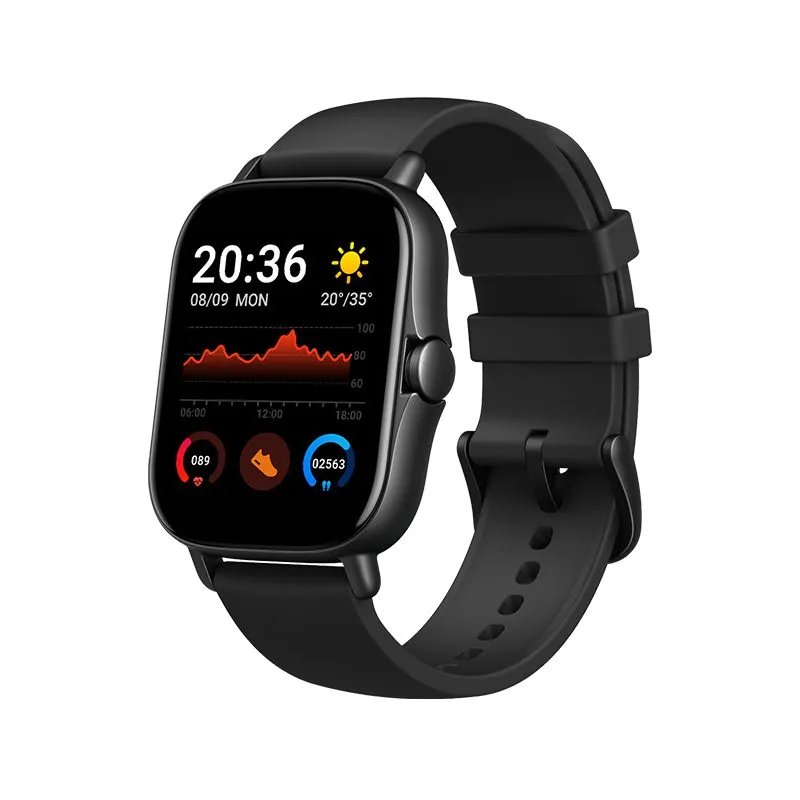
Most “smart watches for men women” shopping pages split the world into pink straps and chunky black bezels. That is marketing shorthand, not a fit checklist. In UK homes and offices, the more common question is quieter: can one budget unisex watch work for both of us without feeling like a compromise?
This note is that checklist — strap, screen, sports modes, battery, and notifications — without turning the purchase into a fashion shoot or a clinic appointment.
Start with the strap, not the face
Wrist circumference varies more than brand “men’s / women’s” labels admit. A rubber or silicone band that looks fine in product photos can dig in on a smaller wrist or slide on a larger one. Before you obsess over dial colour, check three practical things:
Hole range — enough holes to sit flush without the buckle floating mid-band.
Thickness at the clasp — bulky clasps catch on shirt cuffs and coat sleeves.
Sweat and soap — if you wash hands often or train, a sealed rubber strap cleans faster than fabric or leather lookalikes.
A unisex 1.69″ square face can look balanced on both wrists if the strap sits close to the skin. If the watch spins when you type, the problem is almost always the band, not the “gender” of the model.
Screen size vs all-day comfort
Bigger TFT panels are easier for notifications and glanceable stats. They are also heavier and stick out further under a cuff. For shared wear:
Prefer a full touch screen you can read outdoors over tiny secondary widgets.
Check whether watch faces can be simplified — a busy dial looks “sporty” in the box and noisy on a smaller wrist.
Confirm the glass does not catch on door frames or gym racks; square cases need a bit more awareness than round ones.
If two people will swap the watch during the week, pick a face that either of you can read without squinting — that single habit predicts whether the device stays on the charger or on someone’s arm.
Sports modes both of you will actually use
Twelve sport presets look impressive on a listing. Most couples use three: walking, running or cycling, and something occasional (gym, swimming if the waterproof rating is honest for pool use). What matters more than the count:
Start/stop without a phone hunt — if starting a workout takes six taps, people skip it.
Heart-rate during effort — useful as a trend, not a medical chart.
Sleep and step history that both wearers can open in the same companion app without fighting accounts every morning.
Shared devices live or die on the app experience. If pairing forces a factory reset between users, it is not a true household watch — it is two people’s headache.
Battery and charging etiquette in a shared house
A magnetic charge cable that finishes in under two hours is friendlier than a proprietary dock you can lose. For men and women sharing one unit:
Agree a charging spot (same tray as keys) so the watch is never “somewhere upstairs.”
Aim for multi-day battery so overnight charging does not collide with both of your morning alarms.
Avoid models that die mid-commute if notifications are the main reason you bought it.
Battery life claims vary with always-on brightness and continuous heart-rate. Treat the marketing range as a ceiling; your shared schedule is the real test.
Notifications without the relationship drama
Call rejection, SMS, WhatsApp and Messenger alerts are useful when one phone stays in a bag. They are also how silent offices become noisy wrists. Set shared rules:
Quiet hours that both of you respect.
Which apps vibrate vs which only light the screen.
Whether music control and remote camera are worth the accidental pocket presses.
A unisex smartwatch earns its keep when it reduces phone pickups for both people — not when it doubles the interruptions.
What to ignore (and what not to)
Ignore gendered packaging language. Do not ignore fit, waterproof honesty for your actual activities, and whether the companion app is stable on both Android and iPhone if your household is mixed.
Also keep health sensors in perspective. Optical heart-rate and lifestyle blood-pressure style readings on budget watches are convenience features. They are not a substitute for a cuff reading or clinical advice. If that distinction matters to you, buy for fitness and notifications first, and treat wellness metrics as optional colour.
A simple UK buyer path
If you are choosing one everyday smartwatch for men and women in the same household:
Try the strap fit on both wrists (or measure and check the band range).
Confirm the screen is readable for both of you outdoors.
Check the three sports you will really use.
Confirm magnetic charging and multi-day battery fit your shared routine.
Pair the app once and walk through notifications together.
When you want a concrete UK-stock example of a unisex 1.69″ TFT watch with sports modes and everyday alerts, see the MintGear smart watch for men and women product page for specs, delivery, and current pricing.
One watch can serve two wrists. It just has to be chosen like a tool, not like a costume.
Leave a comment
Comments
No comments yet. Be the first to comment!